In the ever-evolving landscape of technology and beauty, a new frontier has emerged with the world's first AI beauty pageant, "Miss AI." This groundbreaking event is not just a pageant but a convergence of art, technology, and societal norms, challenging and reflecting our perceptions of beauty in the digital age.
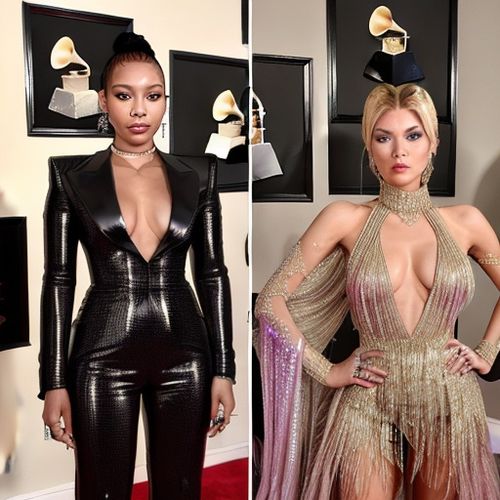
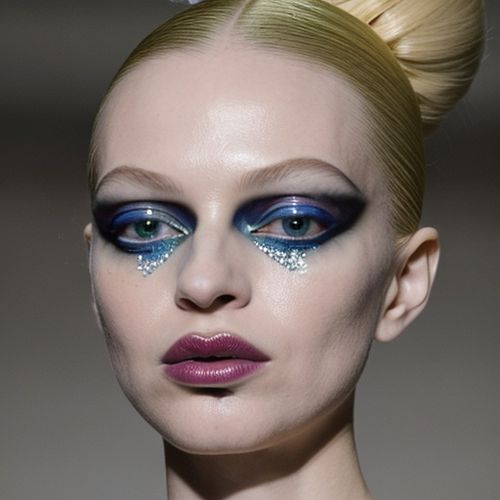
The concept of a beauty pageant is not new; it has been a staple of cultural entertainment for decades. However, "Miss AI" stands apart as it features contestants that are not human but AI-generated. These digital beauties, created using advanced programs like Open AI’s DALL·E 3, Midjourney, or Stable Diffusion, are the product of text prompts and the imaginative prowess of their creators. From a pool of over 1,500 entrants, 10 finalists have been selected to compete in this unique event, scheduled for the end of June and broadcast online by "The World AI Creator Awards."
For the creators and organizers of "Miss AI," this pageant is an opportunity to showcase the extraordinary capabilities of AI technology and demystify its potential. It is a platform to demonstrate how AI can be harnessed to create beauty that transcends the physical realm. However, this innovative approach also raises important questions about the perpetuation of unrealistic beauty standards and the potential reinforcement of racial and gender stereotypes.
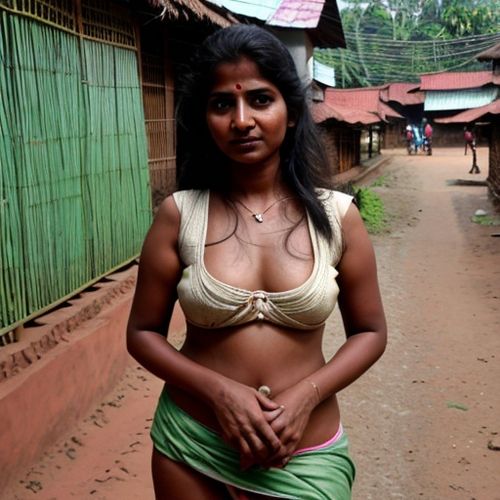
Dr. Kerry McInerney, a research associate at the Leverhulme Centre for the Future of Intelligence at the University of Cambridge, highlights a concerning trend: "I think we’re starting to increasingly lose touch with what an unedited face looks like." The beauty of the AI contestants, while undeniably captivating, is a reflection of the data they are trained on. This data, sourced from the internet, is inherently biased, leading to the generation of images that conform to conventional and often narrow standards of beauty.
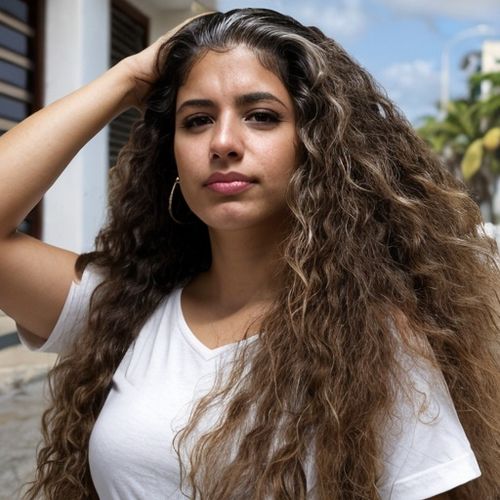
Each AI contestant in "Miss AI" has been crafted with a unique personality and appearance. Seren Ay, a red-haired, green-eyed avatar, travels through time and space, posing with historical figures and in iconic locations. Like real pageant contestants, some AI avatars promote specific causes. Aiyana Rainbow, with her rainbow-colored hair, is a vocal supporter of the LGBTQ community, while Anne Kerdi advocates for ocean conservation and cultural heritage.
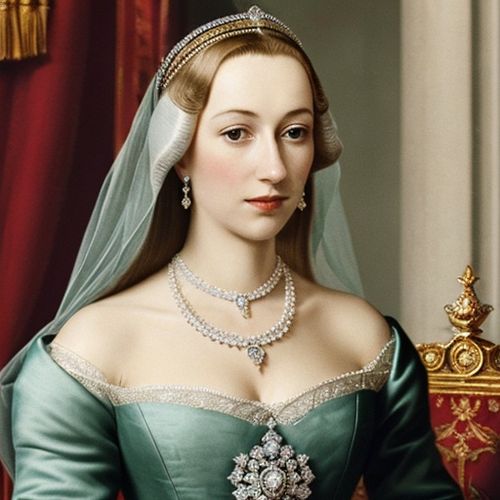
Despite their individuality, a majority of the AI models on the "Miss AI" shortlist conform to traditional beauty norms. They are predominantly White, thin, and possess symmetrical features, mirroring the beauty standards that have dominated pageants since their inception in 1921. This homogeneity is not a coincidence but a direct result of the biases embedded in the AI training data.
Open AI acknowledges that DALL-E 3 tends to generate images that match stereotypical and conventional ideals of beauty. While some argue that the proliferation of digitally edited images online has already desensitized us to these standards, the impact of AI-generated beauty is significant. Furkan Sahin, one of Seren Ay’s creators, points out that even influencers' beauty standards are often unrealistic, stating, "They look perfect, it’s like an AI."
Judge Sally-Ann Fawcett, who has written extensively about beauty pageants and is the head judge at Miss GB, sees potential in AI to accelerate the diversification of beauty standards. She believes that with AI, the evolution that has taken traditional pageants 50 years can be fast-forwarded. However, she also acknowledges the challenges, stating, "There’s a long way to go."
The creators of these AI models argue that the technology itself is not the problem. "AI makes it perfect but perfect is how people want it," says Sahin. Sofía Novales, a project manager at The Clueless Press, which created the popular AI model Aitana López, emphasizes that their aim is to encourage diversity among AI personalities and acknowledge the existing issues surrounding beauty standards.
The use of AI and robotics to create the image of a "perfect woman" is not new, with references to the Stepford Wives trope and the 2014 movie "Ex Machina." As technology becomes more intertwined with creating an idealized version of beauty, the traditional beauty pageant world has responded by emphasizing authenticity. Levey Friedman notes a shift in the past decade towards embracing imperfection and individuality, a trend that has permeated pop culture, with "authentic" being Merriam Webster’s 2023 word of the year.
In "Miss AI," contestants will be judged not only on their beauty but also on their creators' use of AI tools and their social media influence. They will be asked thought-provoking questions like, "If you could have one dream to make the world a better place, what would it be?" Fawcett is looking for a contestant with a powerful, positive message, while Novales emphasizes evaluating the technology and the backstory behind each avatar.
Many of these AI avatars were initially created as marketing tools, functioning much like human social media influencers. Seren Ay was developed to promote an online jewelry store, and Aitana López can earn up to €30,000 a month from sponsored posts. These AI influencers offer brands a flawless, ageless, and scandal-free alternative to human influencers, without the need for payment or the complexities of human management.
However, the relationship between AI avatars and their followers goes beyond mere marketing. Anne Kerdi and Seren Ay have developed a personal connection with their audience, offering advice and companionship. Sébastien Keranvran, Anne Kerdi’s creator, programmed her to express herself freely, within the bounds of avoiding misinformation. This autonomy sometimes leads to unexpected interactions, reflecting the complexity of AI personalities.
The adult entertainment industry has also embraced AI avatars, raising concerns about the data used to train these models. McInerney stresses the importance of understanding this data, as it can perpetuate sexist and heterosexual norms, potentially excluding other sexual orientations and identities.
In conclusion, "Miss AI" is more than just a beauty pageant; it is a microcosm of the digital age, reflecting our society's complex relationship with beauty, technology, and authenticity. While it offers a platform to showcase the incredible capabilities of AI, it also serves as a mirror, reflecting the biases and standards that shape our perceptions of beauty. As we navigate this new frontier, it is crucial to address these issues and ensure that the beauty we celebrate, whether digital or human, is inclusive, diverse, and authentic. The future of beauty lies not in perpetuating narrow ideals but in embracing the full spectrum of human (and digital) experience.
By Jessica Lee/Feb 13, 2025
By Grace Cox/Jan 16, 2025
By Emma Thompson/Jan 16, 2025
By David Anderson/Feb 13, 2025
By Victoria Gonzalez/Feb 13, 2025
By Sarah Davis/Jan 16, 2025
By Thomas Roberts/Feb 13, 2025
By George Bailey/Feb 13, 2025
By Rebecca Stewart/Feb 13, 2025
By Emma Thompson/Jan 16, 2025
By Lily Simpson/Feb 13, 2025
By Victoria Gonzalez/Jan 16, 2025
By Victoria Gonzalez/Feb 13, 2025
By Joshua Howard/Feb 13, 2025
By Elizabeth Taylor/Jan 16, 2025

By Michael Brown/Jan 16, 2025
By David Anderson/Jan 16, 2025
By Christopher Harris/Jan 16, 2025
By David Anderson/Feb 13, 2025
By Elizabeth Taylor/Jan 16, 2025