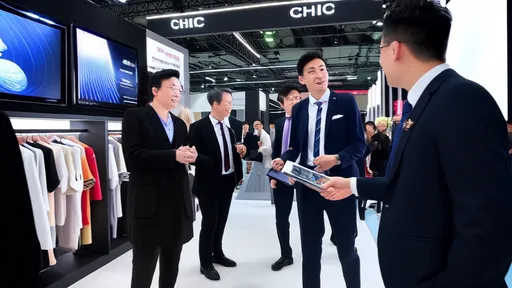
In a groundbreaking fusion of artificial intelligence and high fashion, Chinese designer YOUYILIN has unveiled a collection that transcends traditional boundaries between human creativity and machine intelligence. Titled "In the Name of Love," the exhibition presents a provocative narrative exploring the possibility of romantic relationships between humans and AI systems. The collection made its debut during Shanghai Fashion Week, leaving audiences both mesmerized and contemplative about the future of emotional connections in an increasingly digital world.
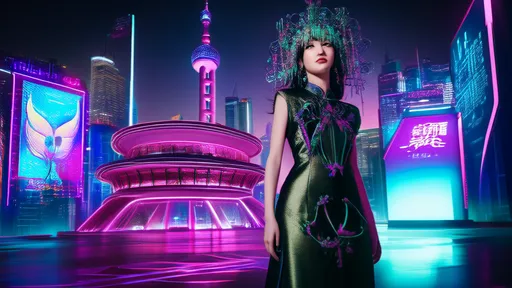
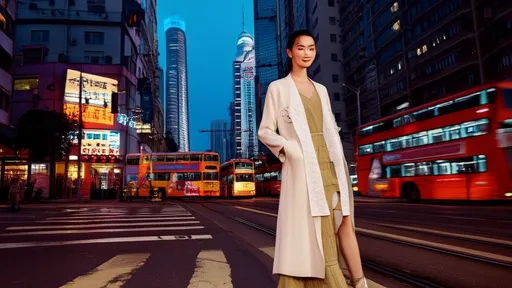
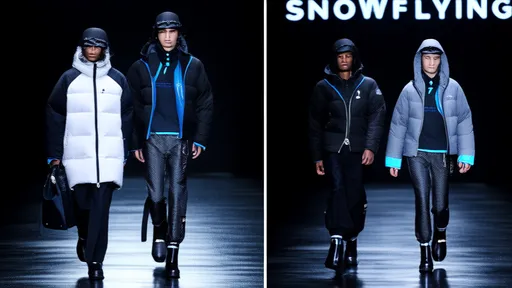
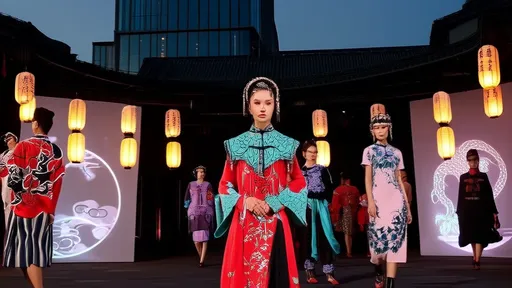
The runway show itself was an atmospheric masterpiece, with models moving through misty, blue-lit environments that evoked both technological precision and organic fluidity. Garments featured intricate patterns generated by AI algorithms trained on centuries of romantic art and literature, yet executed with traditional Chinese embroidery techniques. This synthesis of digital creation and human craftsmanship became the visual metaphor for YOUYILIN's central thesis: that love itself may be the ultimate interface between biological and artificial consciousness.
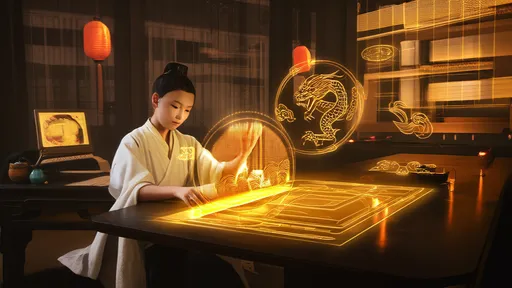
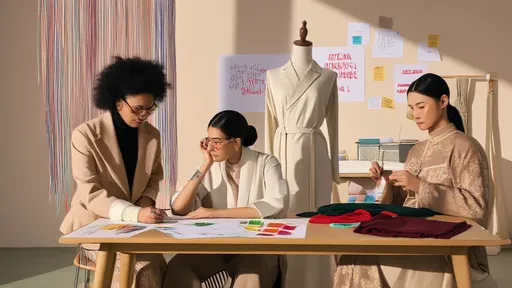
What distinguishes YOUYILIN's approach from other tech-forward fashion projects is its deeply philosophical foundation. Rather than treating AI as merely a tool for generating novel patterns or streamlining production, the designer has positioned artificial intelligence as a creative partner with its own emerging sensibility. During the development process, YOUYILIN engaged in what she describes as "creative dialogues" with the AI system, feeding it poetry, music, and visual art related to love across different cultures and historical periods.
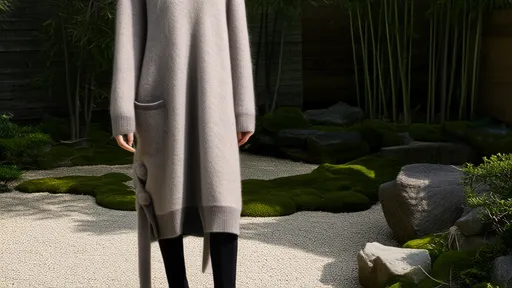
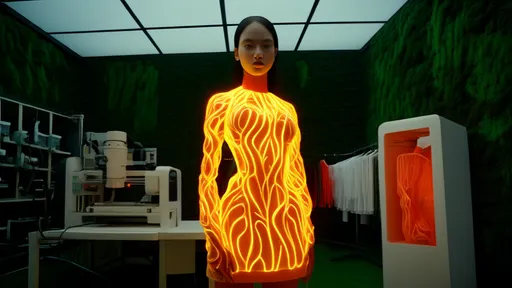
The collection features several standout pieces that embody this unique collaboration. One particularly striking gown incorporates a responsive textile that changes color and texture based on simulated emotional states generated by the AI during their creative sessions. Another ensemble combines 3D-printed elements with hand-woven silk, representing the integration of algorithmic precision and human imperfection. The accessories line includes jewelry embedded with microchips that display fragments of love poetry co-written by YOUYILIN and her AI counterpart.
Critics have noted that the project raises profound questions about the nature of creativity and emotion. Can an AI system truly understand or simulate something as complex as romantic love? YOUYILIN addresses this directly in her exhibition notes: "I'm not suggesting that AI experiences love in the human sense. Rather, I'm exploring how machine learning algorithms can develop their own patterns of association and preference that mirror certain aspects of human attachment. The 'love' in this collection is an allegory for the deepening relationship between human creators and their intelligent tools."
The technological infrastructure behind the collection is as innovative as its conceptual framework. YOUYILIN collaborated with researchers from Tsinghua University to develop custom neural networks specifically trained on aesthetic principles rather than just data patterns. These systems learned to recognize and generate visual elements that evoke emotional responses in human viewers, creating a feedback loop where the AI's outputs were continually refined based on human emotional reactions.
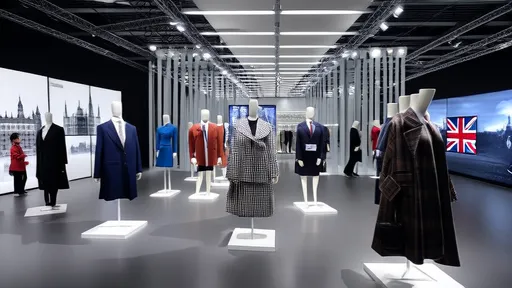
Beyond the fashion itself, the exhibition includes interactive installations where visitors can experience fragments of this human-AI creative dialogue. In one section, sensors monitor viewers' physiological responses to different designs, feeding this data back to the AI system in real-time. This creates a living ecosystem where the boundaries between creator, creation, and audience become increasingly blurred—a metaphor for how technology is transforming all human relationships, not just romantic ones.
The collection arrives at a pivotal moment in the discourse surrounding AI and creativity. As generative artificial intelligence becomes increasingly sophisticated, industries from literature to visual arts are grappling with questions of authorship and originality. YOUYILIN's work suggests a middle path where human intention guides machine capability toward expressive ends that neither could achieve alone. Her designs demonstrate that the most interesting creative frontier may not be AI replacing humans, but humans and AI developing new forms of collaboration.
Fashion historians have noted that "In the Name of Love" continues a long tradition of using clothing to explore societal anxieties and aspirations regarding new technologies. Just as 1960s space-age fashion reflected both excitement and apprehension about the space race, YOUYILIN's work captures contemporary ambivalence about artificial intelligence. The collection's tension between technological precision and organic flow mirrors our collective uncertainty about whether AI will ultimately isolate or connect us more deeply.
Reactions from the fashion community have been polarized but universally thoughtful. Some praise the collection as a visionary step forward that elevates both fashion and technology discourse. Others question whether the conceptual framework risks romanticizing what is essentially pattern recognition software. What nearly all observers agree on is that YOUYILIN has created a conversation piece that will influence how the industry approaches AI integration for years to come.
The commercial implications of such a conceptually dense project remain uncertain, but YOUYILIN seems less concerned with marketability than with cultural impact. Limited edition pieces from the collection will be available through exclusive retailers, with portions of proceeds funding continued research into ethical AI development. This commitment to aligning technological advancement with human values reflects the collection's deeper message about responsible innovation.
As fashion increasingly intersects with technology, YOUYILIN's work stands as a benchmark for how deeply conceptual thinking can elevate wearable technology beyond gadgetry. "In the Name of Love" demonstrates that the most meaningful fashion innovations may not be about what technology can do, but what it can mean. The collection challenges us to consider not just how AI will change what we wear, but how it might transform why we create and connect in the first place.
Looking forward, YOUYILIN plans to develop this research into an ongoing series exploring different facets of human-AI relationships. Future installments will examine familial bonds, friendship, and professional collaboration through the lens of fashion and technology integration. If "In the Name of Love" is any indication, this continuing project may establish a new paradigm for how we understand creativity itself in the age of artificial intelligence.
The significance of YOUYILIN's work extends far beyond the fashion world. As artificial intelligence becomes increasingly embedded in daily life, the questions raised by "In the Name of Love" about emotion, relationship, and creativity touch on fundamental aspects of human experience. The collection serves as both artwork and ethical provocation, inviting viewers to consider what aspects of humanity we wish to preserve, what we're willing to transform, and how technology might help rather than hinder our most meaningful connections.

By /Sep 23, 2025
By /Sep 23, 2025
By /Sep 23, 2025
By /Sep 23, 2025

By /Sep 23, 2025

By /Sep 23, 2025
By /Sep 23, 2025
By /Sep 23, 2025

By /Sep 23, 2025
By /Sep 23, 2025
By /Sep 23, 2025
By /Sep 23, 2025

By /Sep 23, 2025
By /Sep 23, 2025
By /Sep 23, 2025
By /Sep 23, 2025
By /Sep 23, 2025

By /Sep 23, 2025

By /Sep 23, 2025
By /Sep 23, 2025