In a quiet workshop tucked away from the bustling city, a master artisan dips her brush into a pot of indigo dye. She is not replicating a pattern from a centuries-old textile but rather sketching a contemporary, abstract design onto silk. This scene, unfolding across China, symbolizes a profound shift in the understanding of intangible cultural heritage (ICH). The narrative is no longer confined to preservation and nostalgia; it is increasingly about cultural confidence and creative transformation. This movement repositions heritage not as a relic to be kept under glass but as a living, dynamic force for innovation.
For decades, the global discourse on safeguarding intangible cultural heritage, from UNESCO conventions to local initiatives, has heavily emphasized protection. The primary goal was to prevent the disappearance of traditional crafts, performing arts, and social practices. This was, and remains, a crucial mission. However, an unintended consequence of this focus was the occasional framing of ICH as fragile, static, and belonging solely to the past. Practitioners were often seen as custodians of a fading world, their value measured by their fidelity to tradition. This perspective, while well-intentioned, risked isolating heritage from the pulsating rhythms of contemporary life and the imaginations of younger generations.
The new paradigm, gaining momentum from Beijing to Barcelona, challenges this static view head-on. It argues that true safeguarding is not about mummification; it is about ensuring relevance. At its core is the concept of cultural confidence—a deep-seated belief in the enduring value and vitality of one's cultural roots. This confidence is not arrogant or exclusionary; rather, it is the foundational security that allows for experimentation. When artisans and performers are secure in the knowledge that their traditions are inherently valuable, they feel empowered to reinterpret, remix, and reinvent. They are no longer afraid of "corrupting" the tradition but are instead inspired to let it converse with the present.
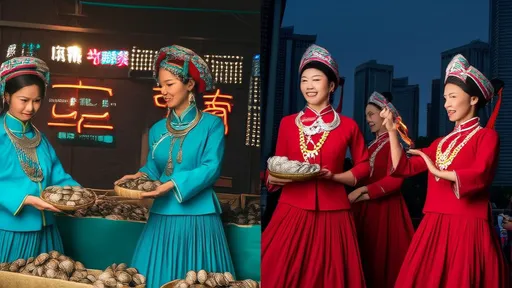
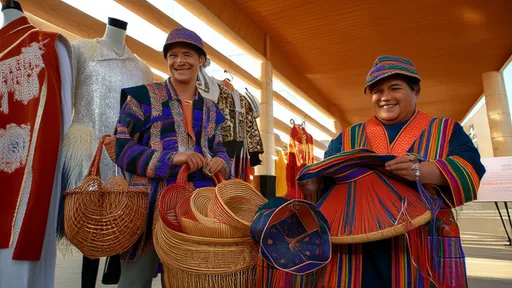
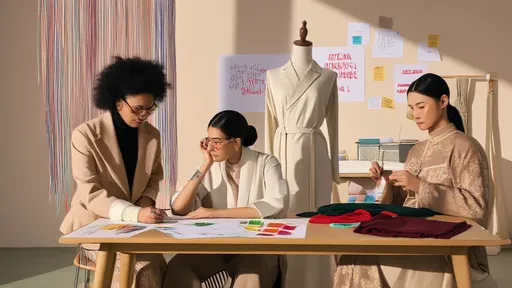
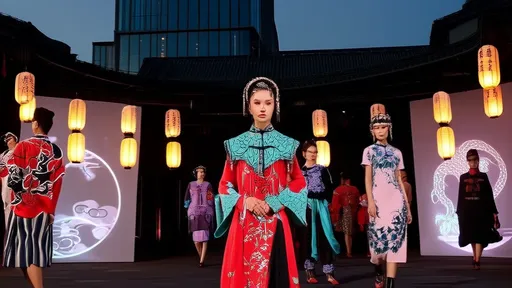
This creative transformation manifests in myriad ways, breathing new life into ancient practices. In the realm of craft, we see ceramicists incorporating modern minimalist aesthetics into traditional blue-and-white porcelain, creating tableware that feels equally at home in a Tokyo loft as in a Chinese tea house. Fashion designers are collaborating with Miao embroidery masters, integrating their intricate, symbolic patterns into haute couture gowns that walk international runways. The embroidery tells its ancient stories, but the language is contemporary fashion. This is not a dilution of tradition but an expansion of its audience and application.
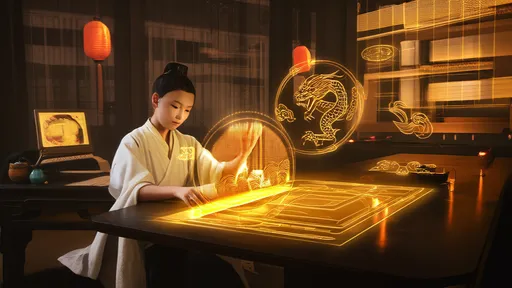
Similarly, performing arts are undergoing a renaissance. Kunqu Opera, one of the oldest extant forms of Chinese opera, is being reimagined through collaborations with modern dance troupes and digital projection artists. The elegant, slow-paced movements are set against immersive digital landscapes, creating a multi-sensory experience that resonates with audiences raised on cinema and video games. The essence of the art—the storytelling, the vocal techniques, the emotional expression—remains intact, but its vessel is decidedly 21st century. This approach demonstrates that the soul of a tradition can be separated from its historical form and re-embodied for a new era.
The digital realm has become a powerful catalyst for this transformation. Social media platforms like Douyin and Bilibili are filled with young vloggers who are also inheritors of ICH. They document their creative processes, from carving a seal to brewing a particular tea, but they do so with the energy and editing style of digital natives. They explain the cultural significance behind each step, demystifying the craft and making it accessible. This digital storytelling is a form of innovation in itself, creating a new genre of cultural transmission that is interactive, personal, and far-reaching. It builds communities of interest that transcend geographical boundaries.
This movement is also fundamentally economic. By innovating, intangible cultural heritage finds new markets and sustainable economic models. A craft that only produces museum replicas has a limited customer base. But a craft that produces designer furniture, unique smartphone cases, or immersive art installations taps into the creative economy. This economic viability is critical for attracting new practitioners. Young people are more likely to dedicate years to mastering a skill if they see a path to a fulfilling and financially stable career. Innovation, therefore, is not just an artistic choice but a practical strategy for intergenerational continuity.
Critics might argue that this approach risks commercializing and trivializing heritage. However, the practitioners leading this charge are often the most deeply rooted in their traditions. Their innovations stem from a place of profound respect and understanding. The goal is not to discard the old but to build a bridge between the old and the new. It is a delicate balance, requiring discernment to ensure that the core values and meanings of the heritage are not lost in the process of adaptation. The most successful examples are those where the innovation feels like a natural evolution, not a forced imposition.
Ultimately, this shift from nostalgia to innovation represents a maturation of our relationship with cultural heritage. It acknowledges that culture has always been in flux, absorbing influences and adapting to new circumstances. To freeze it in time is to deny its inherent life force. The most powerful form of cultural confidence is the courage to let one's heritage evolve, to trust that its fundamental spirit is robust enough to thrive in a changing world. The master artisan with her indigo dye is not erasing the past; she is inscribing it onto the future, proving that the most vibrant traditions are those that are never finished being created.

By /Sep 23, 2025

By /Sep 23, 2025

By /Sep 23, 2025
By /Sep 23, 2025

By /Sep 23, 2025

By /Sep 23, 2025
By /Sep 23, 2025
By /Sep 23, 2025

By /Sep 23, 2025

By /Sep 23, 2025

By /Sep 23, 2025

By /Sep 23, 2025

By /Sep 23, 2025
By /Sep 23, 2025

By /Sep 23, 2025
By /Sep 23, 2025

By /Sep 23, 2025

By /Sep 23, 2025

By /Sep 23, 2025
By /Sep 23, 2025