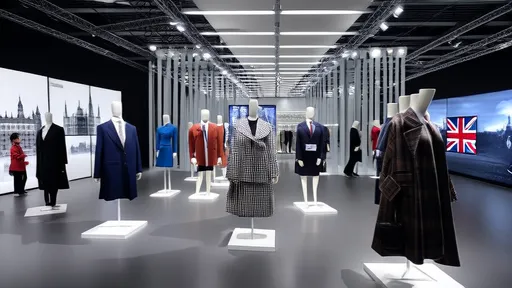
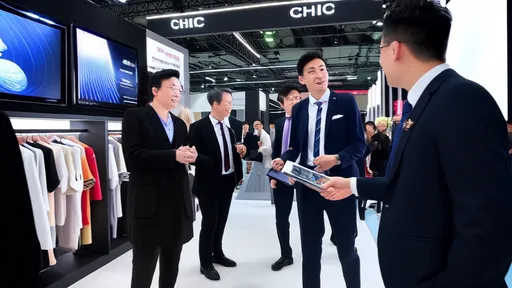
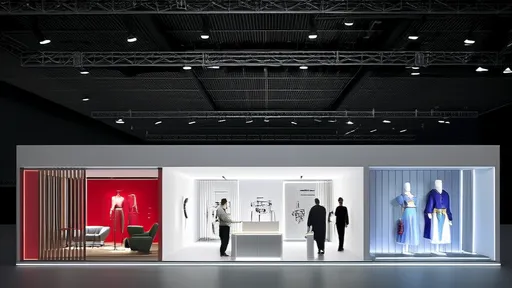
For over three decades, the China International Fashion Fair (CHIC) has stood as a monumental event in the global fashion calendar, a dynamic crossroads where East meets West, and tradition intertwines with innovation. While it serves as a powerful platform for domestic brands to ascend, its true international prestige is magnified by the presence of curated national pavilions. Among these, the collective showcases from Italy, Germany, Japan, and Korea consistently command attention, each bringing a distinct and compelling narrative that underscores CHIC's magnetic pull on the world stage. These pavilions are not merely displays of products; they are cultural embassies of style, technology, and business philosophy, transforming the fairgrounds into a microcosm of global fashion excellence.
The Italian pavilion at CHIC is an experience unto itself, an embodiment of la dolce vita translated into fabric and form. It is a testament to a heritage built on centuries of artistry, where the very names of regions—Tuscany, Lombardy, Emilia-Romagna—evoke specific sensibilities in leather, silk, and wool. Visitors are immediately struck by an aura of effortless sophistication. The focus here is rarely on loud, transient trends but on the timeless appeal of impeccable craftsmanship. One can observe the subtle sheen of Loro Piana cashmere, the precise stitching on a Brunello Cucinelli jacket, or the rich patina of a Valextra handbag. These elements speak a universal language of luxury that resonates deeply with the Chinese market's growing appreciation for understated, investment-worthy pieces. Beyond the established luxury houses, the pavilion is also a launchpad for smaller, family-owned ateliers specializing in everything from exquisite footwear to artisanal knitwear. They represent the backbone of Italian manufacturing—the distretti industriali—where specialized skills are passed down through generations. For Chinese buyers and partners, engaging with the Italian contingent is about forging relationships based on a shared reverence for quality and a long-term vision for brand building. It is a dialogue between two ancient cultures that both understand the weight of history embedded in a well-made object.
In stark contrast to Italy's romanticism, the German pavilion presents a vision of sartorial clarity and technological prowess. The aesthetic is clean, precise, and deeply functional, reflecting a design philosophy where form rigorously follows function. This is the domain of performance wear, technical outerwear, and premium denim. Brands from Germany excel in intelligent design—garments that incorporate weather-resistant membranes, temperature-regulating fabrics, and ergonomic cuts tailored for urban mobility. The emphasis is on durability and innovation, appealing to a modern Chinese consumer who is increasingly active, environmentally conscious, and values practicality without compromising on style. The German presence is also heavily bolstered by its formidable textile machinery and sustainable solution providers who often exhibit alongside the fashion brands. This creates a unique synergy, showcasing not just the final product but the advanced, often eco-friendly, processes behind it. For industry professionals at CHIC, the German section is a hub for discovering the future of fabric production and supply chain management. It answers a critical demand in the Chinese market for greater transparency and sustainability, positioning German engineering as a key partner in the industry's green transformation. The message is clear: German fashion is not just about wearing a brand; it's about embracing a system of intelligent production and responsible consumption.
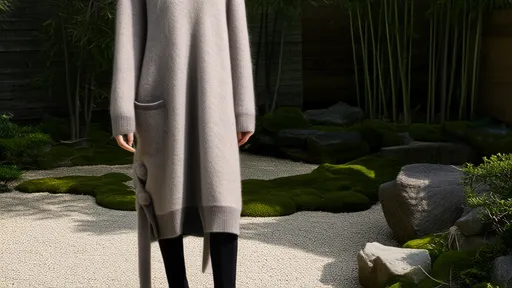
From the East, the Japanese and Korean pavilions offer a fascinating study in contrasts, each interpreting modern Asian aesthetics in uniquely influential ways. The Japanese contingent is a sanctuary of conceptual depth and artisanal dedication. It is where one finds the deconstructed silhouettes of avant-garde designers, the intricate indigo dyes of traditional Boro textiles, and the minimalist perfection of technical apparel. Japanese fashion operates on multiple frequencies simultaneously. There is the quiet luxury of brands like Issey Miyake, with their iconic pleats that marry art and wearability, and the raw, edgy energy of streetwear labels born from the vibrant districts of Harajuku and Ura-Hara. The common thread is an unwavering commitment to detail, texture, and a philosophical approach to clothing. For the discerning Chinese consumer and buyer, Japanese brands represent a source of inspiration and a benchmark for quality that feels culturally adjacent yet distinctly sophisticated. They offer an alternative definition of luxury—one based on intellectual curiosity and material innovation rather than overt status symbols.
The Korean pavilion, meanwhile, pulses with the energetic rhythm of K-culture that has taken the world by storm. It is the epicenter of fast-evolving trends, youthful experimentation, and accessible glamour. Korean brands have mastered the art of creating high-impact fashion that is immediately desirable and incredibly photogenic. Think oversized blazers, playful layering, bold colors, and designs that seamlessly blend gender-fluid elements. This hyper-trend-sensitive approach is perfectly aligned with the dynamics of Chinese social media and e-commerce, where speed and visual appeal are paramount. The pavilion is a direct pipeline to the looks seen in K-dramas and on K-pop idols, creating an instant emotional connection with a massive fan base. However, to dismiss it as merely trend-driven would be a mistake. Korean companies also showcase impressive capabilities in agile manufacturing, digital marketing, and understanding the nuances of the Chinese digital landscape through platforms like Xiaohongshu and Douyin. They represent a business model that is as innovative as its product, built for the velocity of the contemporary market.
The simultaneous presence of these four fashion powerhouses at CHIC creates a rich ecosystem of cross-pollination. A Chinese retailer might start their day in the German section, sourcing high-performance activewear, then move to Italy to select luxury leather goods, before finishing with trend-spotting in Korea and seeking conceptual pieces from Japan. This diversity is CHIC's greatest strength. It confirms the fair's role as a comprehensive sourcing destination that caters to every segment of the market, from luxury department stores to multi-brand boutiques and online platforms. The national pavilions do not compete in a zero-sum game; instead, they collectively elevate the event's stature, making it an indispensable stop for anyone serious about the future of fashion in Asia and beyond.
Ultimately, the enduring allure of CHIC for pavilions from Italy, Germany, Japan, and Korea lies in its unparalleled access to the Chinese consumer. But it's more than just a market of scale; it's a market of increasing sophistication. Chinese buyers and consumers are now globally-minded, well-traveled, and highly informed. They can appreciate the heritage of a Italian cashmere coat, the engineering in a German jacket, the philosophy behind a Japanese design, and the trendy appeal of a Korean dress—often all at once. CHIC provides the stage for this nuanced conversation. It is where global narratives of fashion are presented, interpreted, and integrated into the vibrant tapestry of the Chinese market. By attracting such a diverse and high-caliber international lineup, CHIC solidifies its position not just as China's premier fashion fair, but as a critical nexus point for the global industry, a place where the world's best come to connect with the future's biggest opportunity.

By /Sep 23, 2025
By /Sep 23, 2025
By /Sep 23, 2025
By /Sep 23, 2025

By /Sep 23, 2025

By /Sep 23, 2025
By /Sep 23, 2025
By /Sep 23, 2025

By /Sep 23, 2025
By /Sep 23, 2025

By /Sep 23, 2025
By /Sep 23, 2025
By /Sep 23, 2025
By /Sep 23, 2025
By /Sep 23, 2025

By /Sep 23, 2025
By /Sep 23, 2025

By /Sep 23, 2025

By /Sep 23, 2025
By /Sep 23, 2025