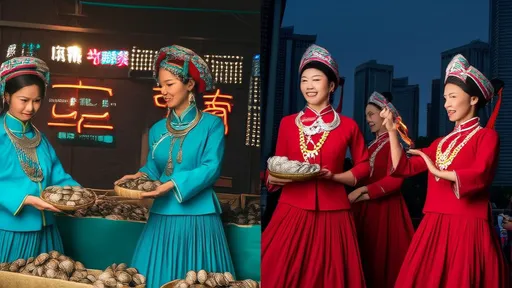
In a vibrant celebration of cultural exchange, the intricate handicrafts of Colombia's indigenous tribes have made a remarkable debut in China, sparking a fascinating dialogue between two distant worlds of intangible cultural heritage. The event, titled "Colombian Tribal Craftsmanship in China: A Fashion Dialogue of Intangible Heritage," is not merely an exhibition but a profound conversation woven with threads, colors, and ancestral wisdom.
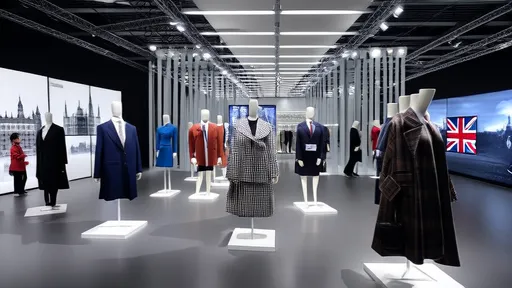
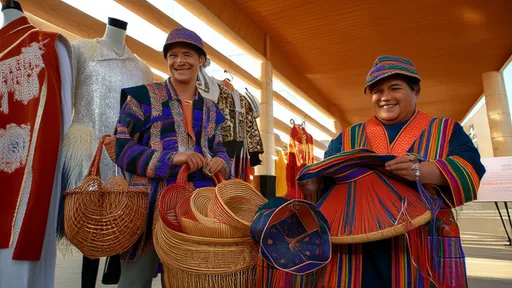
The halls of a prominent gallery in Shanghai have been transformed into a tapestry of vibrant hues and textures. Here, the meticulous weaves of the Wayuu people, known for their colorful mochila bags, hang alongside delicate filigree jewelry reminiscent of pre-Columbian artistry. The air is thick with the spirit of the Amazon and the Andes, brought to life through pieces that tell stories of community, nature, and cosmology. For the Chinese audience, accustomed to the subtle elegance of silk embroidery and the serene lines of porcelain, this is an encounter with a different kind of beauty—one that is bold, expressive, and deeply connected to the earth.
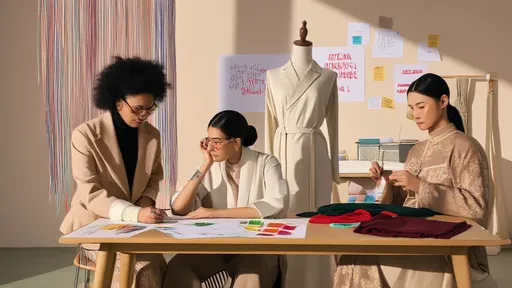
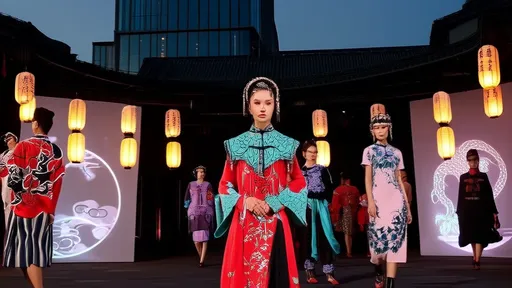
This showcase goes beyond displaying objects behind glass. It positions these traditional crafts within the contemporary context of global fashion. Renowned Chinese fashion designers have been invited to engage directly with the Colombian artisans. The result is a series of collaborative pieces where the symbolic patterns of the Arhuaco community’s woven hats are reinterpreted on the silhouette of a modern cheongsam, or where the intricate beadwork of the Emberá finds its way onto the cuffs of a tailored blazer. This is where the true dialogue occurs: not as a clash, but as a harmonious fusion. The bold geometric patterns of Colombian tribes, once symbols of social status and spiritual beliefs, are finding new narratives on global runways, speaking a universal language of design that transcends borders.
The significance of this event is deeply rooted in the concept of intangible cultural heritage (ICH). Both China and Colombia are nations immensely rich in living traditions passed down through generations. China boasts a vast tapestry of ICH, from Peking opera to the techniques of sericulture. Colombia, similarly, safeguards treasures like the Carnival of Barranquilla and the musical marimba traditions. This exchange highlights a shared global challenge: how to preserve these vulnerable traditions in a rapidly modernizing world. The initiative demonstrates that one powerful answer lies not in isolation, but in innovation and cross-cultural collaboration. By introducing these crafts to the lucrative fashion industry, the project provides sustainable economic opportunities for the artisan communities, ensuring that their skills are not lost but valued and continued.
Visitors to the exhibition are often struck by the parallels between the philosophical underpinnings of the crafts from both cultures. A master weaver from the Wayuu tribe, visiting for a workshop, spoke of how each stitch in a mochila represents a thought, a dream, or a story—a concept that resonates deeply with the Chinese philosophy of infusing art with meaning and intention, much like in classical Chinese painting or calligraphy. Similarly, the emphasis on natural dyes and sustainable materials in Colombian tribal crafts echoes the ancient Chinese principle of harmony between humanity and nature (天人合一). This shared reverence for the natural world and the spiritual dimension of craftsmanship creates a common ground that makes the dialogue not just aesthetic, but profoundly philosophical.
The impact of this cultural exchange is multifaceted. For the Colombian artisans, it is an unprecedented platform that validates their work on an international stage, boosting morale and providing tangible economic benefits. For the Chinese fashion scene, it injects a fresh and dynamic energy, challenging conventional aesthetics and inspiring new creative directions. For the global audience, it serves as a powerful reminder that in an age of homogenization, the unique expressions of indigenous cultures are not relics of the past but vital, evolving sources of inspiration. They hold answers to questions about sustainability, community, and identity that are more relevant than ever.
As the exhibition continues to draw crowds, the conversation it started is only beginning. Plans are already underway for a reciprocal event, where Chinese masters of intangible heritage, such as Suzhou embroiderers or Jingdezhen porcelain artisans, will travel to Colombia to engage in a similar creative dialogue. The success of this initiative proves that when cultures meet with respect and curiosity, the result is not a dilution of identity, but its enrichment. The threads of Colombian tribal patterns and the silken lines of Chinese tradition are being woven together, creating a new, more inclusive fabric for the future of global fashion and cultural preservation.
This journey of Colombian handicrafts in China is more than a cultural event; it is a testament to the enduring power of human creativity. It demonstrates that heritage is not static but a living, breathing force that can travel across oceans, adapt to new contexts, and inspire new forms of beauty. In the silent language of a woven pattern or the delicate curve of a piece of jewelry, a deeper understanding is forged, bridging continents and celebrating the diverse yet interconnected tapestry of human expression.
By /Sep 23, 2025
By /Sep 23, 2025
By /Sep 23, 2025
By /Sep 23, 2025

By /Sep 23, 2025

By /Sep 23, 2025
By /Sep 23, 2025
By /Sep 23, 2025

By /Sep 23, 2025
By /Sep 23, 2025

By /Sep 23, 2025

By /Sep 23, 2025

By /Sep 23, 2025
By /Sep 23, 2025
By /Sep 23, 2025
By /Sep 23, 2025
By /Sep 23, 2025

By /Sep 23, 2025

By /Sep 23, 2025
By /Sep 23, 2025