From the runways of Shanghai Fashion Week to the design studios of Shenzhen, China is rapidly cementing its position as a global fashion epicenter. This transformation transcends mere manufacturing prowess, representing a fundamental shift in creative influence and trendsetting authority. The world is witnessing not just the rise of another fashion market, but the emergence of a cultural force redefining luxury, design, and consumer behavior on a planetary scale.
The journey from "Made in China" to "Created in China" has been both deliberate and dramatic. For decades, the nation was synonymous with production efficiency, the unseen hand behind countless global brands. Today, a new generation of designers, entrepreneurs, and consumers is boldly inscribing a different narrative—one of originality, innovation, and cultural confidence. This evolution is powered by a unique confluence of factors: a vast domestic market with sophisticated tastes, cutting-edge digital ecosystems, and a renewed appreciation for Chinese aesthetic heritage.
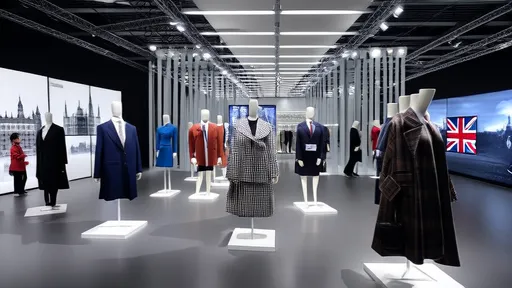
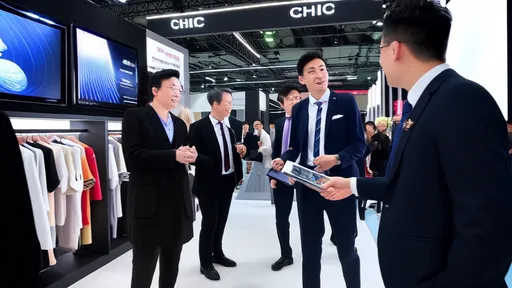
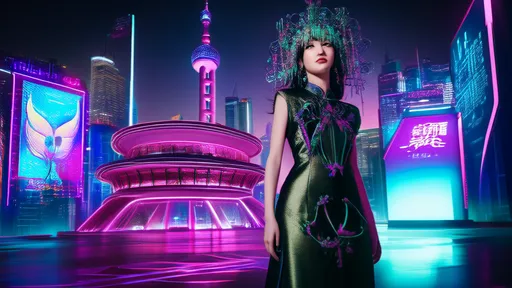
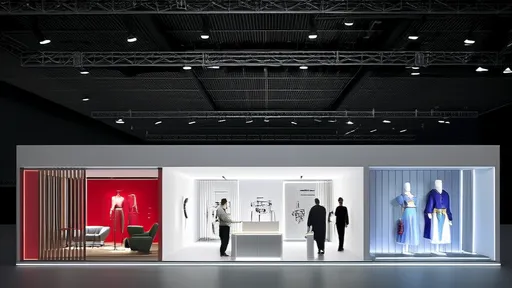
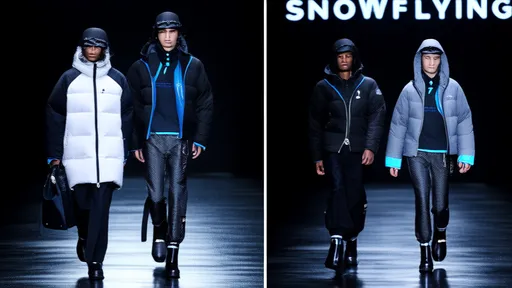
Shanghai has undeniably become the pulsating heart of this new fashion order. Its fashion week, once a regional event, now commands international attention, drawing buyers, editors, and influencers from Paris, Milan, and New York. The collections presented here are no longer derivative interpretations of Western trends; they are bold, authentic statements that often set the agenda for the seasons to come. Designers like Samuel Guì Yang, Susan Fang, and Angel Chen are celebrated not as "Chinese designers" but simply as leading global talents, their work dissected in Vogue and Business of Fashion with the same reverence afforded to established European houses.
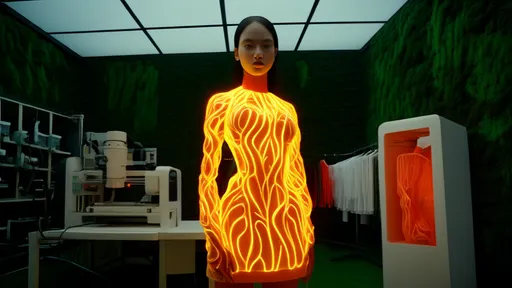
What distinguishes the Chinese fashion scene is its seamless integration of technology and commerce. Platforms like Alibaba's Tmall and JD.com have revolutionized the supply chain, enabling designers to move from concept to consumer at unprecedented speed. Live-streaming commerce, a phenomenon perfected in China, has created a direct, intimate dialogue between creators and their audience, collapsing traditional fashion calendars and fostering a culture of instant, responsive design. This digital-native environment has become a laboratory for the future of retail, a model that the rest of the world is now scrambling to understand and emulate.
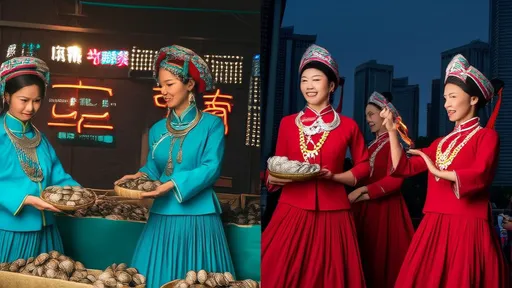
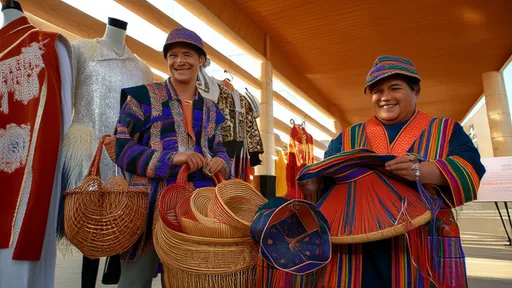
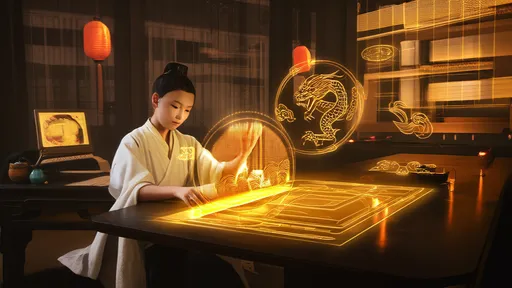
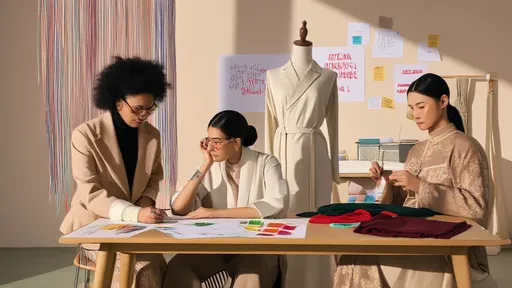
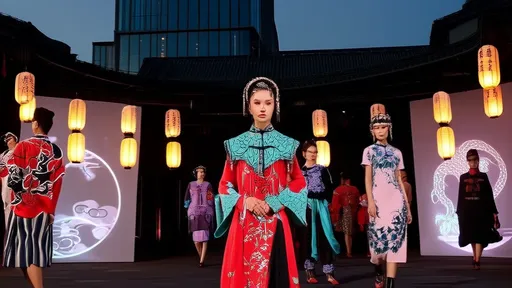
Beyond the digital realm, there is a profound cultural renaissance underway. Designers are diving deep into China's rich history, reinterpreting symbols, textiles, and craftsmanship for a contemporary audience. Intricate embroidery techniques from ethnic minorities, the flowing silhouettes of Tang Dynasty poetry, and the philosophical principles of balance and harmony are finding fresh expression on the global stage. This is not nostalgic revivalism; it is a confident assertion of identity, offering a distinct aesthetic vocabulary that stands apart in a homogenized global market.
The domestic consumer is the ultimate arbiter of this success. With a growing cohort of affluent, well-traveled, and digitally-savvy millennials and Gen Z, China boasts a consumer base that is both demanding and discerning. Their appetite for newness is insatiable, but they increasingly prioritize brands that offer a unique story and cultural resonance. This has created a fertile ground for homegrown labels to flourish, as local consumers take pride in supporting domestic creativity that reflects their own sensibilities and values.
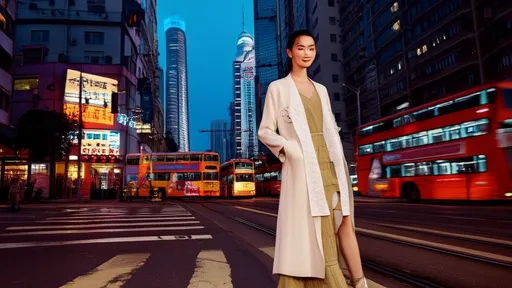
International luxury giants have taken note, strategically aligning themselves with this shifting center of gravity. It is now commonplace for major European brands to schedule exclusive launches and special events in Shanghai or Beijing, acknowledging the city's power to generate global buzz. Collaborations between heritage luxury houses and Chinese artists or designers are becoming frequent, a testament to the desire to tap into the creative energy and cultural cachet emanating from the region. The flow of influence, once predominantly westward, is now firmly bidirectional.
Looking ahead, the consolidation of China's role as a global fashion debut center seems inevitable. The infrastructure—creative, technological, and commercial—is not just in place; it is arguably more advanced than anywhere else. The confidence of its creators is palpable, and the support of its consumers is unwavering. The world of fashion is polycentric now, and China is not just a participant but a leading voice, shaping what we wear and how we think about style for years to come. The era of looking exclusively to the West for direction is over; the future of fashion is being written, in large part, in the dynamic cities of China.

By /Sep 23, 2025
By /Sep 23, 2025
By /Sep 23, 2025
By /Sep 23, 2025

By /Sep 23, 2025

By /Sep 23, 2025
By /Sep 23, 2025
By /Sep 23, 2025

By /Sep 23, 2025
By /Sep 23, 2025
By /Sep 23, 2025
By /Sep 23, 2025
By /Sep 23, 2025
By /Sep 23, 2025
By /Sep 23, 2025
By /Sep 23, 2025
By /Sep 23, 2025

By /Sep 23, 2025

By /Sep 23, 2025
By /Sep 23, 2025