In the evolving landscape of global design, a fascinating dialogue is unfolding between cutting-edge color science and the profound chromatic heritage of ancient cultures. At the forefront of this conversation is the intersection of COLORO, a systematic and data-driven color solution system, and the rich tapestry of Chinese traditional colors. This synergy is not merely a technical exercise but a cultural renaissance, breathing new life into historical palettes for contemporary application.
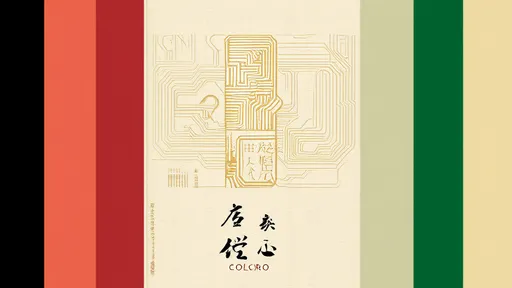
The essence of COLORO lies in its methodical approach to color. Developed as a universal language for designers and manufacturers, it translates the subjective experience of color into an objective, seven-digit code. This system is built on a three-dimensional model—comprising hue, lightness, and chroma—allowing for precise communication and reproduction across various materials and industries, from fashion and textiles to product design. The power of COLORO is its ability to demystify color, turning intuition into data. This scientific backbone provides a stable framework upon which the more poetic and symbolic nature of traditional colors can be structured and understood in a modern context.
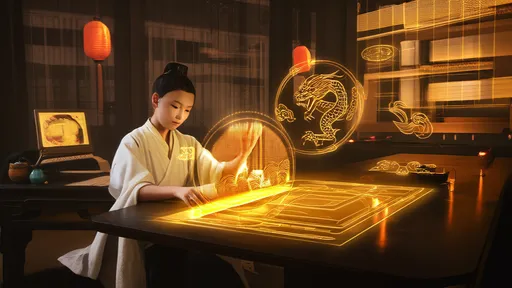
To appreciate the significance of this merger, one must first delve into the philosophy of Chinese traditional colors. Unlike Western systems that often prioritize primary colors, the Chinese palette is deeply rooted in nature, philosophy, and the Five Elements theory (Metal, Wood, Water, Fire, Earth). Colors are not just visual stimuli; they are carriers of meaning, emotion, and cosmic harmony. Names like "Langya Red," derived from a precious cinnabar pigment, or "Moonlight Blue," evoking the serene glow of a night sky, speak to a culture that saw color as an integral part of the natural and spiritual world. These hues were meticulously crafted from minerals, plants, and metals, each with its own story and symbolic weight, used in everything from imperial robes and porcelain to intricate paintings.
The challenge of the modern era has been the preservation and application of these nuanced colors. As global manufacturing and digital design dominate, there is a risk of these unique palettes being diluted or lost in translation. This is where COLORO provides an invaluable service. By mapping traditional Chinese colors onto its systematic grid, it creates a reliable bridge between past and present. A designer in Milan or New York can now specify the exact shade of "Dawn Blush Pink" or "Imperial Yellow" with confidence, knowing it will be accurately reproduced in a fabric mill in Shanghai. COLORO acts as a universal translator, ensuring that cultural integrity is maintained across the global supply chain.
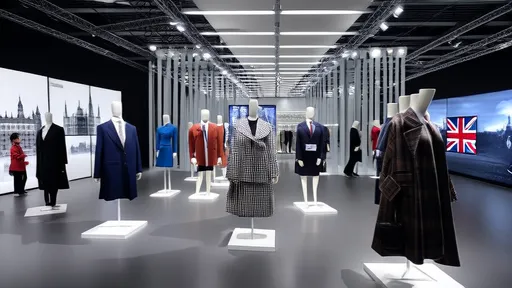
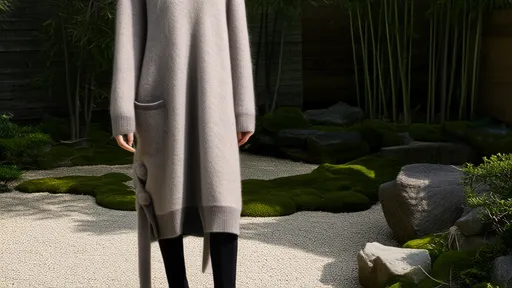
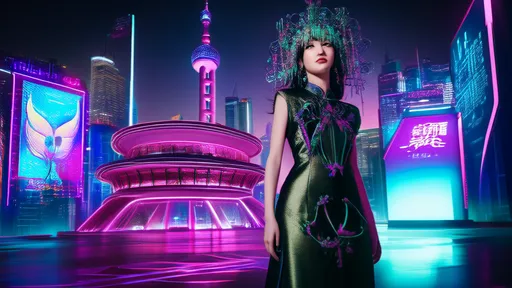
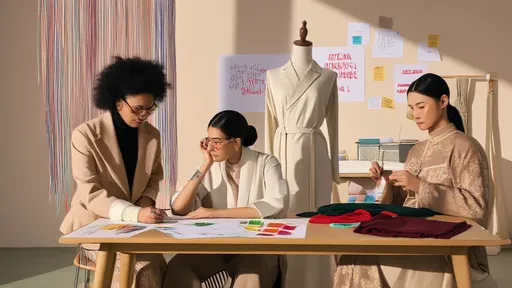
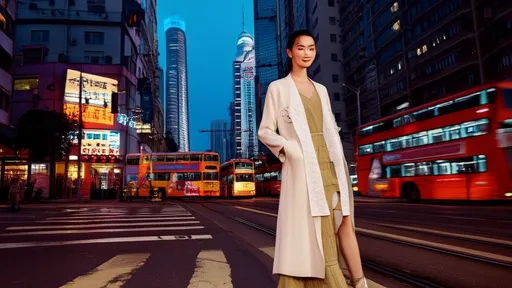
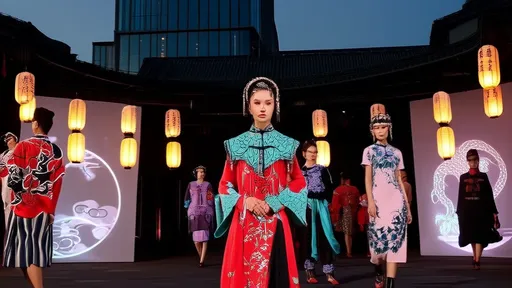
We are already witnessing the powerful outcomes of this collaboration in various creative fields. In fashion, renowned designers are integrating these authenticated traditional hues into their collections, creating garments that resonate with a sense of history and sophistication. A dress in "Su Dongpo's Ink" or a suit in "Porcelain Celadon" carries a narrative depth that transcends seasonal trends. In interior design, these colors are being used to create spaces that are both modern and deeply tranquil, reflecting the balance inherent in their philosophical origins. The application extends to digital interfaces and branding, where companies seeking to connect with Chinese consumers or express a narrative of elegance and heritage are adopting these scientifically validated palettes.
Looking forward, the partnership between scientific systems like COLORO and cultural color archives represents a significant shift in how we perceive and use color globally. It moves beyond mere aesthetics into the realm of cultural preservation and intelligent design. This approach fosters a more inclusive and diverse color landscape, where the wisdom of the past informs the innovations of the future. It encourages designers to think more deeply about the stories their colors tell. The ultimate goal is a world where color is not only seen but felt and understood, a world where a single hue can connect us to a millennium of artistry and philosophy.
In conclusion, the fusion of COLORO's scientific precision with the poetic depth of Chinese traditional colors is more than a technical achievement; it is a cultural milestone. It demonstrates that in our increasingly standardized world, there is immense value in preserving and celebrating unique cultural identities. By providing the tools to accurately capture and communicate these historic palettes, COLORO ensures that the beauty and meaning of Chinese traditional colors will continue to inspire and enrich global design for generations to come. This is not the end of a tradition, but its vibrant new beginning.

By /Sep 23, 2025
By /Sep 23, 2025
By /Sep 23, 2025
By /Sep 23, 2025

By /Sep 23, 2025

By /Sep 23, 2025
By /Sep 23, 2025
By /Sep 23, 2025

By /Sep 23, 2025

By /Sep 23, 2025
By /Sep 23, 2025
By /Sep 23, 2025

By /Sep 23, 2025
By /Sep 23, 2025
By /Sep 23, 2025
By /Sep 23, 2025

By /Sep 23, 2025

By /Sep 23, 2025

By /Sep 23, 2025
By /Sep 23, 2025