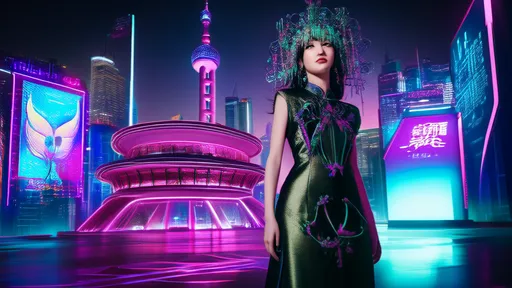
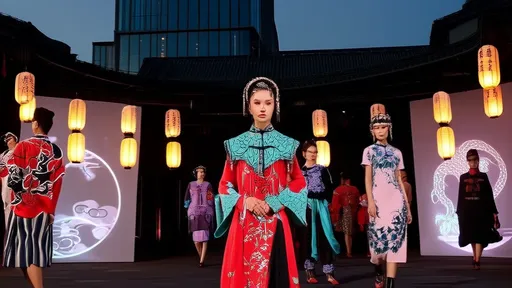
In the bustling digital corridors of a leading fashion forum, a provocative theme has taken center stage, sparking a vibrant and necessary conversation: "Breaking Boundaries, Symbiotic Existence." This is not merely a slogan but a profound lens through which to examine the converging forces of artificial intelligence, feminism, and multiculturalism, reshaping the very fabric of our global culture.
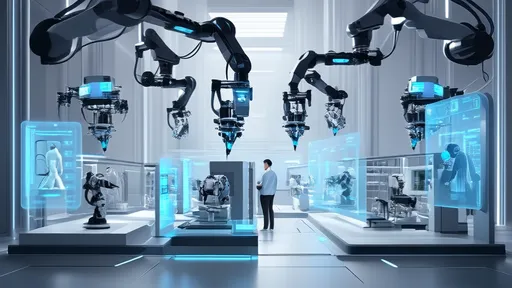
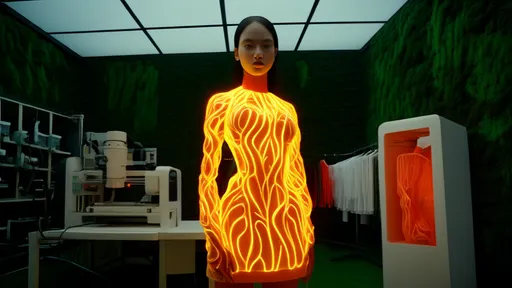
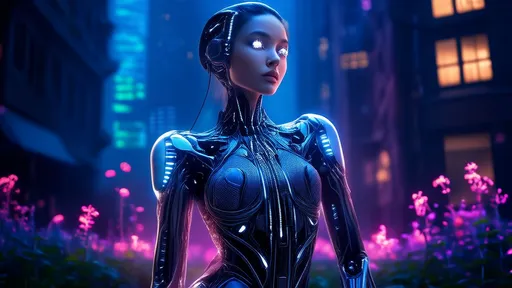
The discourse begins with the undeniable force of AI. Far from being a cold, impersonal technology relegated to data centers, AI is increasingly woven into the creative and social spheres. It is breaking the boundaries of traditional design, art, and communication. Algorithms can now analyze centuries of art history to generate novel aesthetic forms, while language models can draft narratives from a near-infinite combination of cultural references. This technological leap, however, is not without its perils. The forum's participants vigorously debate the inherent biases embedded within these systems. If an AI is trained predominantly on data produced by Western male perspectives, its output will inevitably reflect and potentially amplify those same viewpoints. Thus, the call for a symbiotic existence emerges—a relationship where human oversight, particularly from diverse voices, guides and corrects the AI's trajectory, ensuring it becomes a tool for expansion rather than homogenization.
This is where the conversation powerfully intersects with feminism. The feminist movement, in its contemporary, intersectional form, is fundamentally about breaking boundaries—the boundaries of patriarchal structures, gendered expectations, and systemic inequality. Forum members argue that for AI to be truly revolutionary, it must be imbued with feminist principles. This goes beyond creating female-coded voice assistants. It means building systems that actively combat misogyny, promote equity, and celebrate the full spectrum of female and non-binary experience. Imagine an AI fashion stylist that doesn't reinforce narrow beauty standards but instead encourages expressive, individualistic style based on a person's unique body, culture, and preferences. The symbiosis here is clear: feminism provides the critical ethical framework, while AI offers the scalable tools to implement these ideals on a global stage, challenging deep-seated norms and fostering a more inclusive environment.
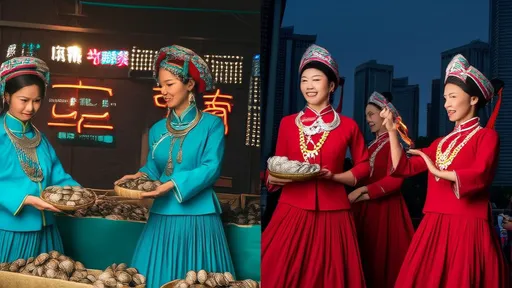
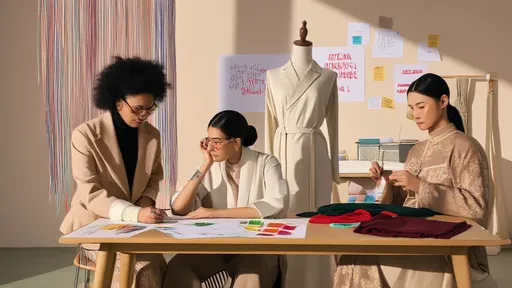
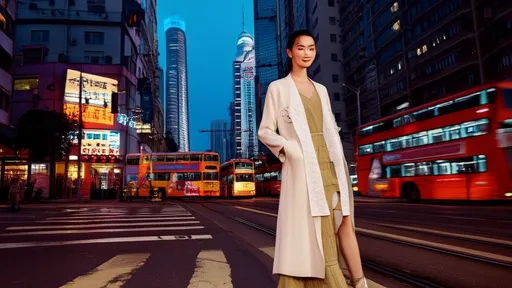
The third crucial element, multiculturalism, adds another layer of depth and complexity. In an increasingly interconnected world, the concept of a single, dominant culture is becoming obsolete. Multiculturalism celebrates the breaking of national and ethnic boundaries, advocating for a world where diverse traditions, beliefs, and expressions can coexist and enrich one another. The forum's thinkers see AI as a potential bridge—or a potential barrier—to this ideal. On one hand, real-time translation algorithms can dissolve language barriers, allowing for unprecedented cross-cultural dialogue. AI can curate cultural content from around the globe, exposing individuals to perspectives they might never have encountered. On the other hand, there is a grave danger of digital colonialism, where powerful AI platforms from a few countries dictate global tastes and trends, erasing local nuances and creating a bland, universal monoculture.
The true potential for symbiosis lies in a conscious effort to decentralize AI development. This involves nurturing AI ecosystems in diverse cultural contexts, training models on locally sourced data, and ensuring that the architects of these systems represent a wide array of backgrounds. The goal is an AI that doesn't just translate languages but understands cultural context; an AI that doesn't just recommend global hits but amplifies local voices. In this vision, technology becomes a facilitator of genuine multicultural exchange, not an instrument of cultural flattening.
When these three forces—AI, feminism, and multiculturalism—collide, the results are transformative. We are beginning to see the emergence of what forum participants term inclusive intelligence. This is not merely artificial intelligence; it is intelligence designed with purpose and empathy. It's the development of ethical algorithms that audit hiring practices for gender and racial bias. It's the use of generative AI to create media that represents a truly diverse range of bodies, abilities, and identities. It's the platform that connects female entrepreneurs from different continents, using AI-powered analytics to help them navigate both local and global markets. This is the essence of breaking boundaries and symbiotic existence: a future where technology is not a force that acts upon society, but a partner that evolves with it, guided by the enduring human struggles for equality, understanding, and creative expression.
The path forward, as debated in the forum, is not without challenges. It requires vigilance against the commodification of social justice movements, a commitment to digital literacy for all, and continuous critical interrogation of the technologies we create. Yet, the collective brain trust of the fashion forum—a microcosm of a broader societal shift—sees immense hope. The convergence of AI, feminism, and multiculturalism presents a unique historical opportunity to build a more just, creative, and interconnected world. It demands that we move beyond siloed thinking and embrace the complex, beautiful, and necessary work of building a future where difference is not just tolerated but is recognized as the primary source of our collective strength and innovation.

By /Sep 23, 2025
By /Sep 23, 2025

By /Sep 23, 2025
By /Sep 23, 2025

By /Sep 23, 2025

By /Sep 23, 2025

By /Sep 23, 2025

By /Sep 23, 2025
By /Sep 23, 2025

By /Sep 23, 2025
By /Sep 23, 2025
By /Sep 23, 2025

By /Sep 23, 2025
By /Sep 23, 2025
By /Sep 23, 2025

By /Sep 23, 2025

By /Sep 23, 2025
By /Sep 23, 2025

By /Sep 23, 2025
By /Sep 23, 2025